What Is Orange Pekoe Tea? (And How Is It Different from English Breakfast?)
The Name That Confuses Everyone
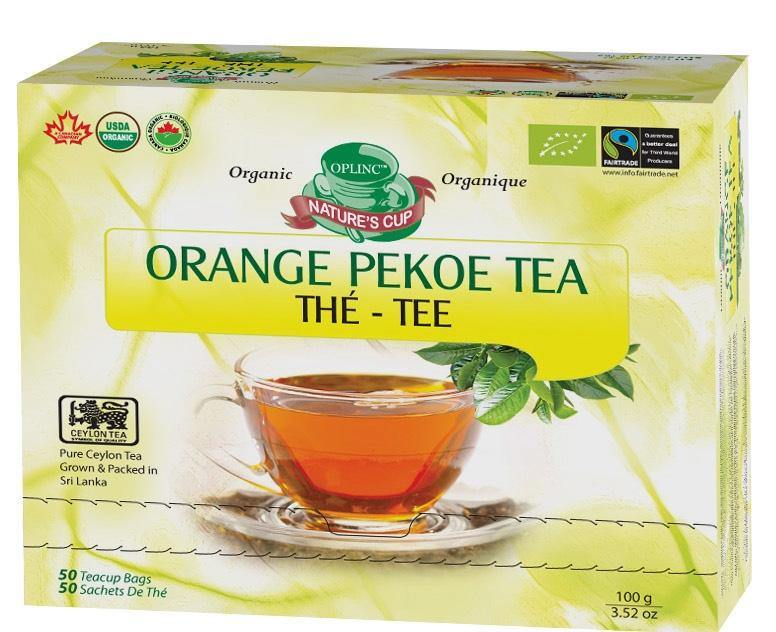
If you've ever picked up a box of "Orange Pekoe" tea and wondered where the orange flavour was — you're not alone. Despite the name, Orange Pekoe has nothing to do with oranges. It's actually a tea grading term, and understanding it opens up a whole new way of thinking about the black teas you drink every day.
What Does "Orange Pekoe" Actually Mean?
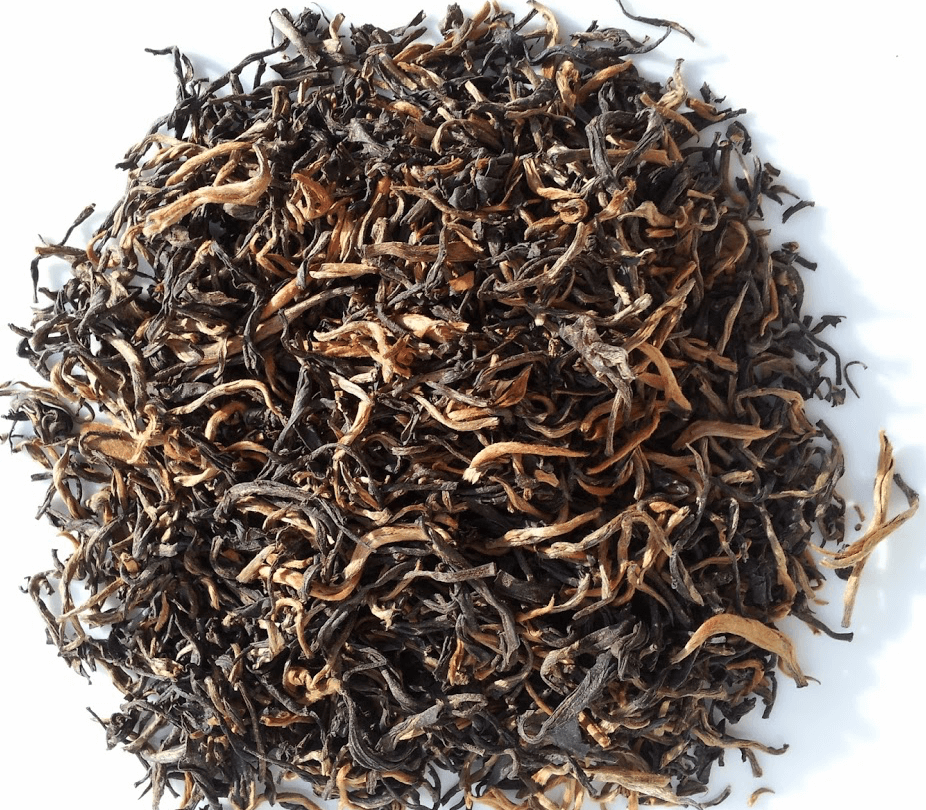
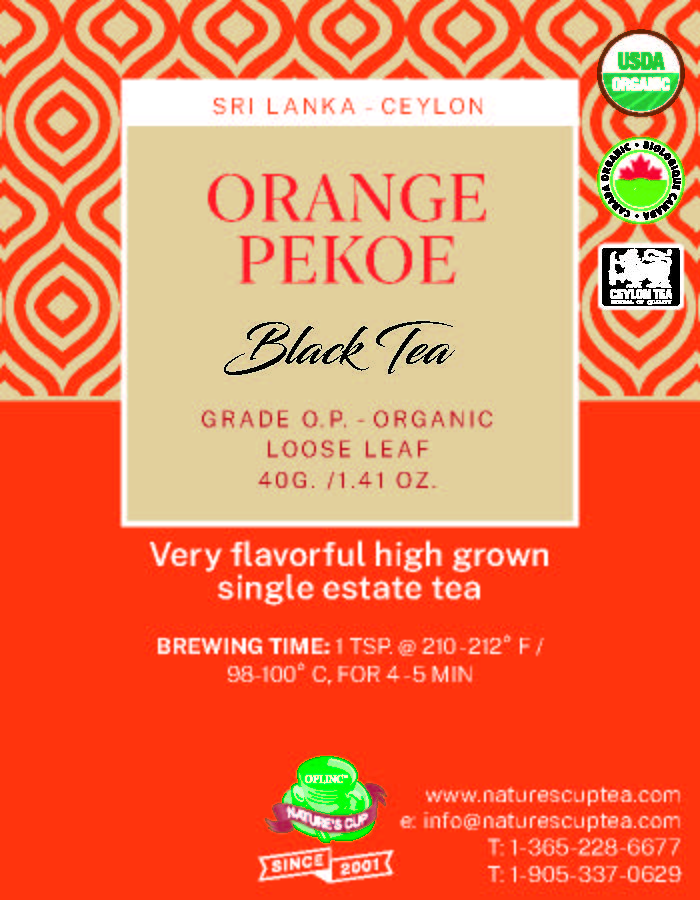
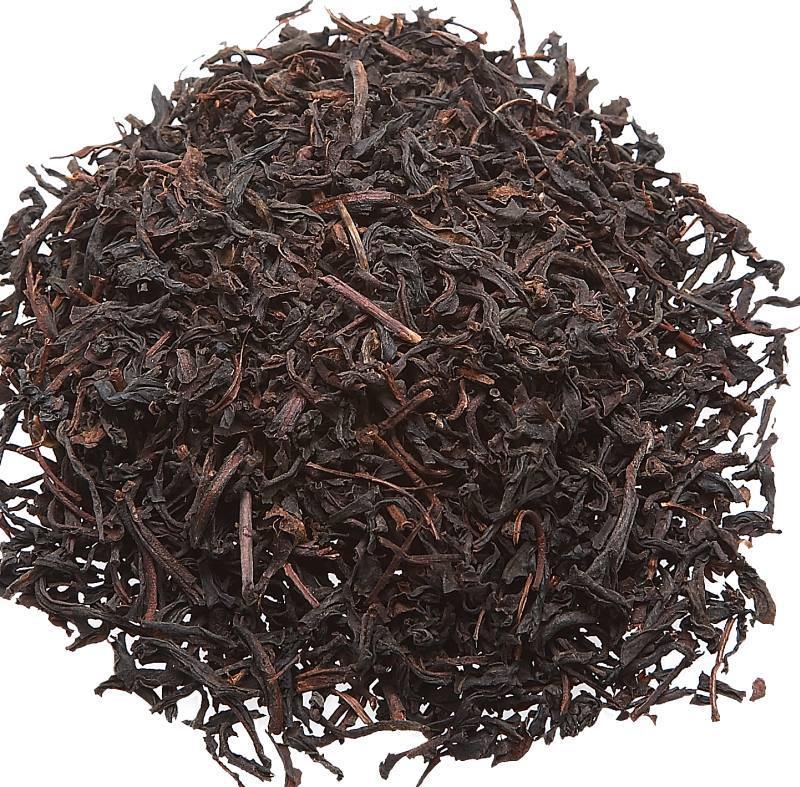
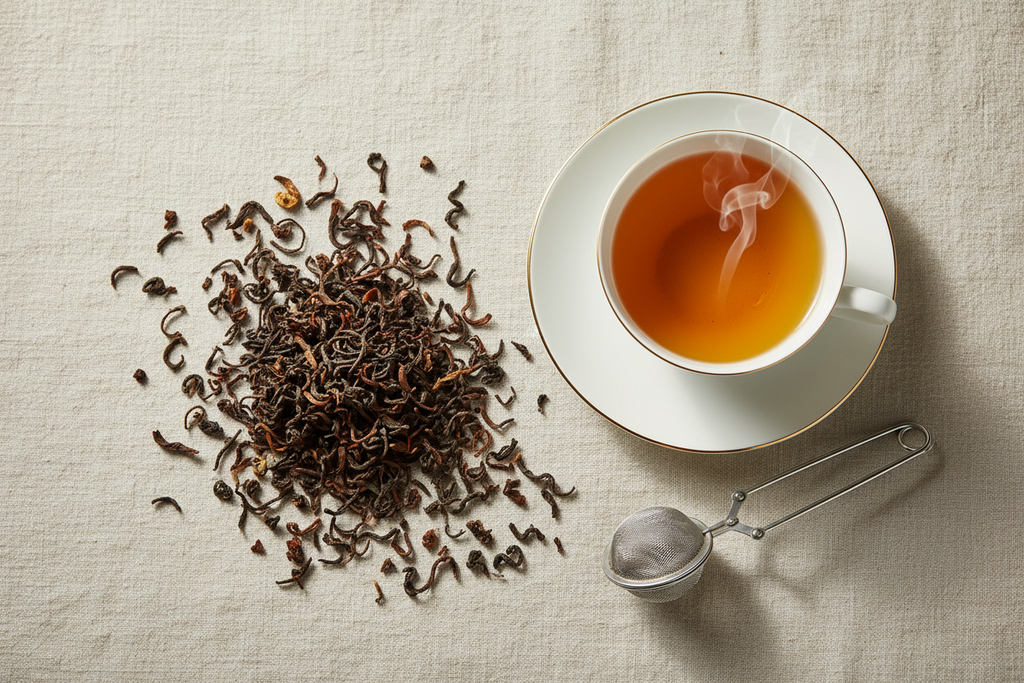
Orange Pekoe (often abbreviated as OP) is a grade used in the orthodox tea grading system to describe the size and quality of black tea leaves. Specifically, it refers to a whole-leaf tea made from the top two leaves and the bud of the tea plant (Camellia sinensis).
The word "Pekoe" comes from the Chinese word báiháo (白毫), meaning "white hair" — a reference to the fine white down found on young tea buds. "Orange" is believed to refer to the Dutch Royal House of Orange, as Dutch traders were among the first to bring this style of tea to Europe in the 17th century.
The Tea Grading Ladder
Orange Pekoe sits within a broader grading hierarchy. From finest to more broken grades, you'll commonly see:
- FTGFOP — Finest Tippy Golden Flowery Orange Pekoe (the highest grade)
- TGFOP — Tippy Golden Flowery Orange Pekoe
- GFOP — Golden Flowery Orange Pekoe
- FOP — Flowery Orange Pekoe
- OP — Orange Pekoe (whole leaf, clean, no tips)
- BOP — Broken Orange Pekoe (smaller pieces, stronger, faster brew)
Most everyday tea bags contain BOP or even smaller fannings and dust — which is why loose-leaf OP teas brew so differently.
Where Does Orange Pekoe Come From?
Orange Pekoe is produced across the major black tea growing regions of the world, most notably:
- Sri Lanka (Ceylon) — Bright, brisk, and golden-hued; Sri Lankan OP is among the most prized in the world
- India (Assam & Darjeeling) — Assam OP is malty and bold; Darjeeling OP is lighter and more floral
- Kenya — Robust and full-bodied, often used in blends
The same grade can taste quite different depending on origin — which is part of what makes exploring loose-leaf black teas so rewarding.
So What Is English Breakfast Tea?
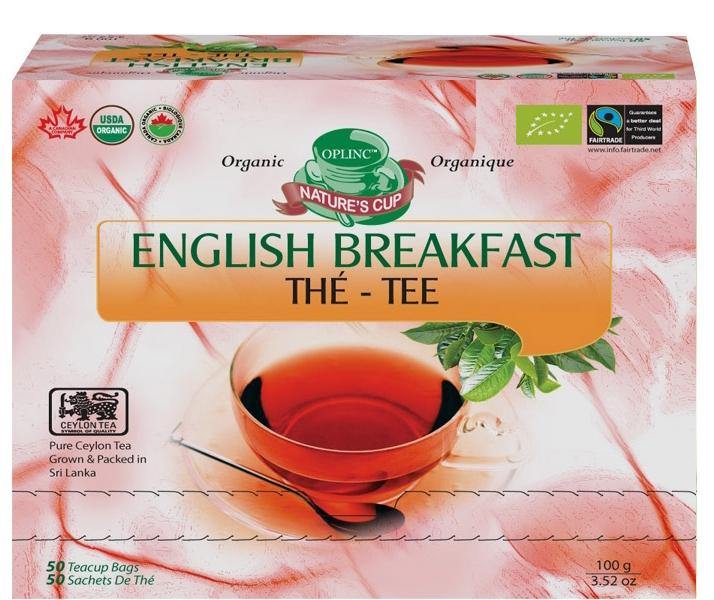
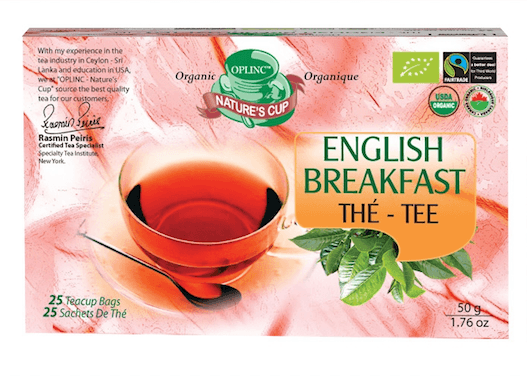
While Orange Pekoe is a grade, English Breakfast is a blend. English Breakfast tea is typically a blend of black teas from multiple origins — most commonly Assam, Ceylon, and Kenya — chosen to produce a strong, full-bodied cup that pairs well with milk.
Key Differences at a Glance
- Orange Pekoe: A leaf grade; can be single-origin or blended; describes leaf size and quality
- English Breakfast: A flavour/style blend; always a mix of origins; designed for a bold, breakfast-friendly cup
In practice, many English Breakfast blends are made from BOP-grade leaves — so an Orange Pekoe loose-leaf tea will often be noticeably higher quality than a standard English Breakfast bag, even if both are "black tea."
Which One Should You Choose?
- Choose Orange Pekoe loose-leaf if you want to explore the nuances of a single origin — the brightness of Ceylon, the malt of Assam, or the delicacy of Darjeeling.
- Choose English Breakfast if you want a reliable, robust everyday cup that holds up well with milk and is consistent batch to batch.
Both are excellent — it really comes down to whether you're in the mood for exploration or comfort.
Explore Our Black Teas
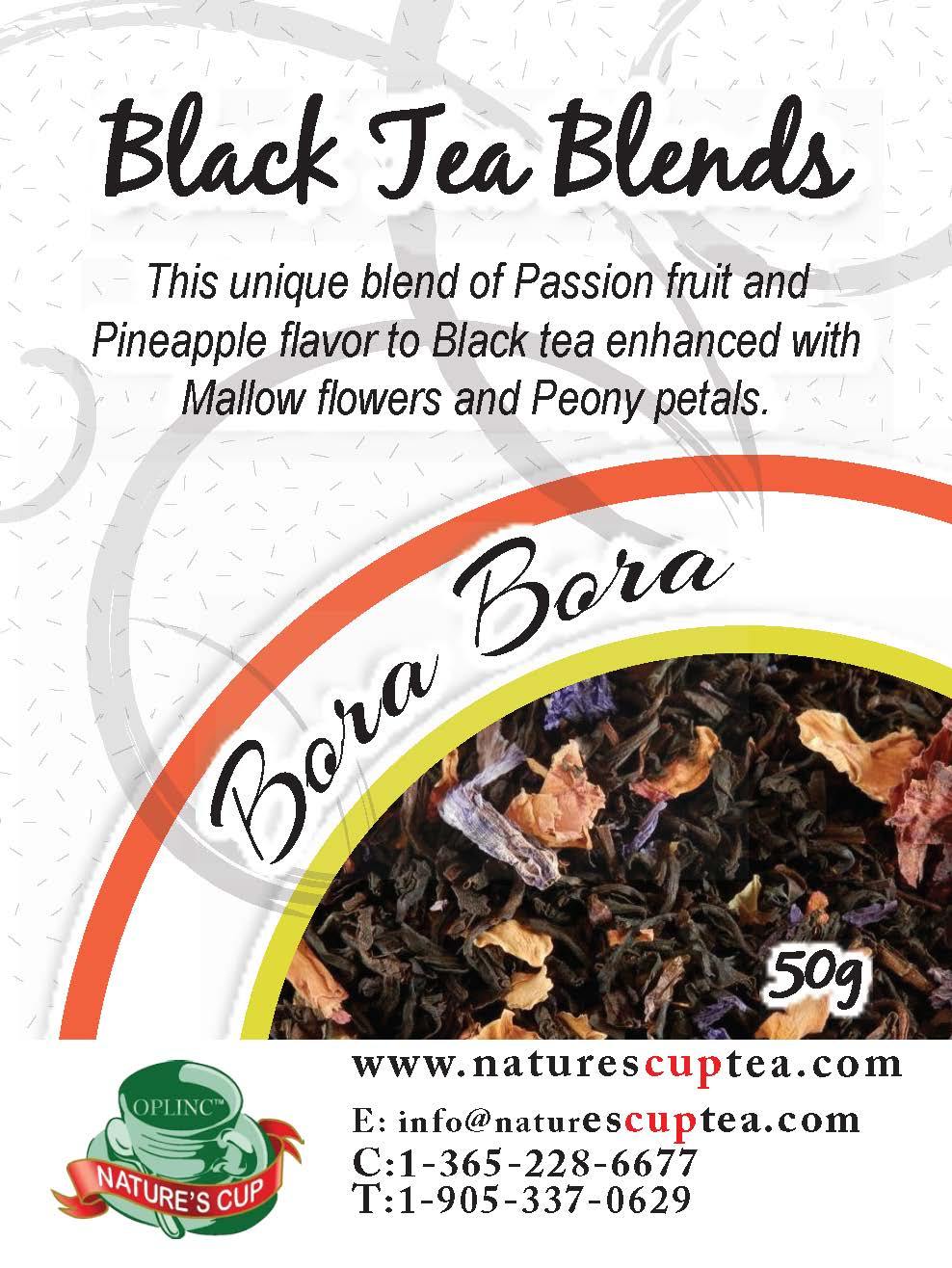
Whether you're drawn to a classic Orange Pekoe or a well-crafted breakfast blend, our loose-leaf black tea collection and black tea blends are hand-picked for quality, origin, and flavour. Every tea we carry is sustainably sourced — because a great cup starts long before the kettle boils.
Questions about which black tea is right for you? We're always happy to help you find your perfect cup.
RECENT POSTS
25.August.2026
What Is Orange Pekoe Tea? (And How Is It Different from English Breakfast?)
0 Comments