Tea Origins: Sri Lanka vs India vs China — What's the Difference?
Why Origin Matters
Where a tea is grown shapes everything about it — the soil, altitude, rainfall, and harvesting traditions all leave their mark in the cup. Just as wine lovers talk about terroir, tea drinkers who explore origins quickly discover that a Sri Lankan black tea and a Chinese black tea can taste worlds apart, even though both come from the same plant: Camellia sinensis.
At Natures Cup Tea, we source hand-picked teas from the world's finest growing regions. Here's a guide to three of the most important — and what makes each one special.
Sri Lanka (Ceylon Tea)
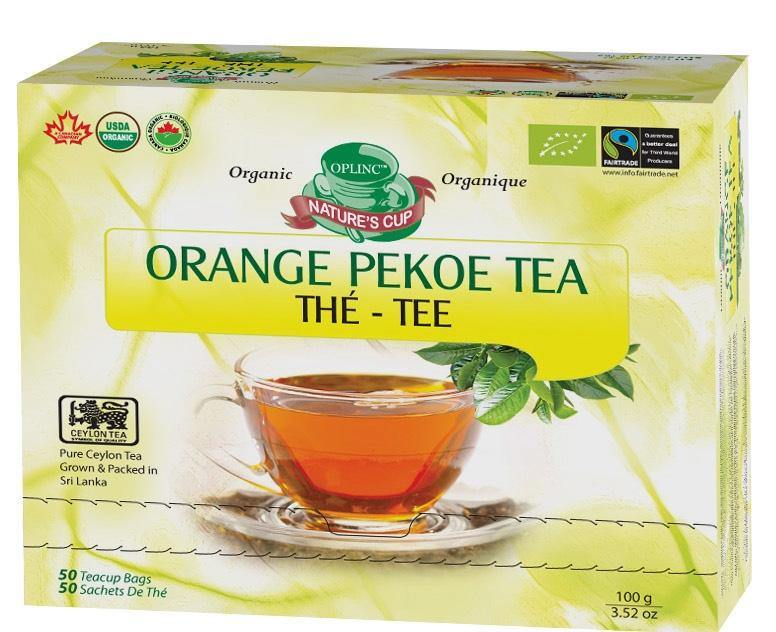
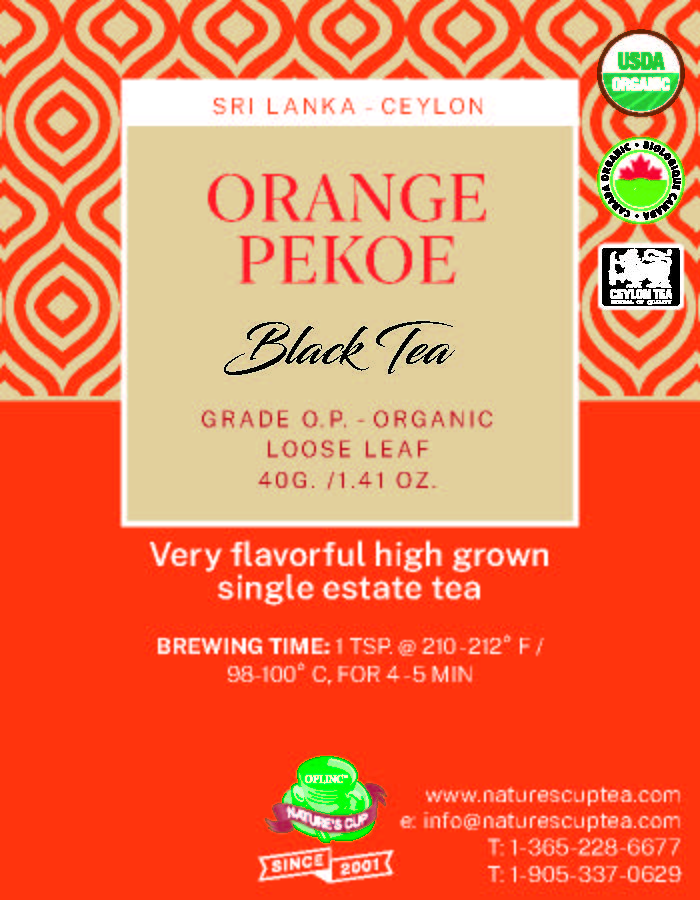
Sri Lanka produces what is internationally known as Ceylon tea — a name protected by the Sri Lanka Tea Board and synonymous with quality. Tea has been grown here since the 1860s, and the island's diverse elevations produce a remarkable range of styles.
Key Growing Regions
- Nuwara Eliya (High Grown, ~1,800 m) — The highest and most prized region; produces delicate, light, floral teas with a pale golden liquor
- Dimbula & Uva (High to Mid Grown) — Brisk, bright, and full-flavoured; classic Ceylon character
- Ruhuna (Low Grown) — Bold, dark, and strong; ideal for those who take their tea with milk
Flavour Profile
Ceylon teas are known for their brightness, briskness, and clean finish. They tend to have a golden to amber liquor, a lively astringency, and a refreshing quality that makes them excellent both hot and iced. Sri Lanka is primarily a black tea producer, though high-quality green and white teas are also grown here.
Best For
Classic afternoon tea, iced tea, and anyone who loves a bright, clean black tea. Pairs beautifully with milk or a slice of lemon.
India
India is the world's second-largest tea producer and home to some of the most celebrated growing regions on earth. Indian teas span an enormous range — from the muscatel delicacy of Darjeeling to the bold malt of Assam.
Key Growing Regions
- Darjeeling (West Bengal, ~2,000 m) — Often called the "Champagne of teas"; light, floral, and complex with a distinctive muscatel note. First flush (spring) teas are especially prized.
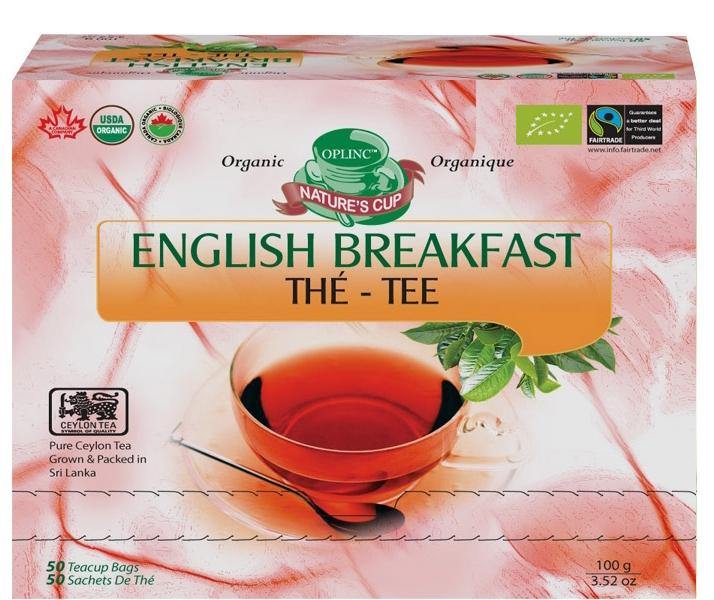
- Assam (Northeast India, low elevation) — Full-bodied, malty, and robust; the backbone of most English Breakfast blends
- Nilgiri (South India) — Fragrant, brisk, and smooth; excellent for iced tea
Flavour Profile
Indian teas range from light and floral (Darjeeling) to bold and malty (Assam). The diversity is remarkable — a first-flush Darjeeling and a strong Assam CTC are almost unrecognizable as the same category of tea.
Best For
Darjeeling suits those who enjoy nuanced, wine-like teas without milk. Assam is perfect for a hearty morning cup with milk and sugar. Nilgiri shines as a cold brew or iced tea.
China
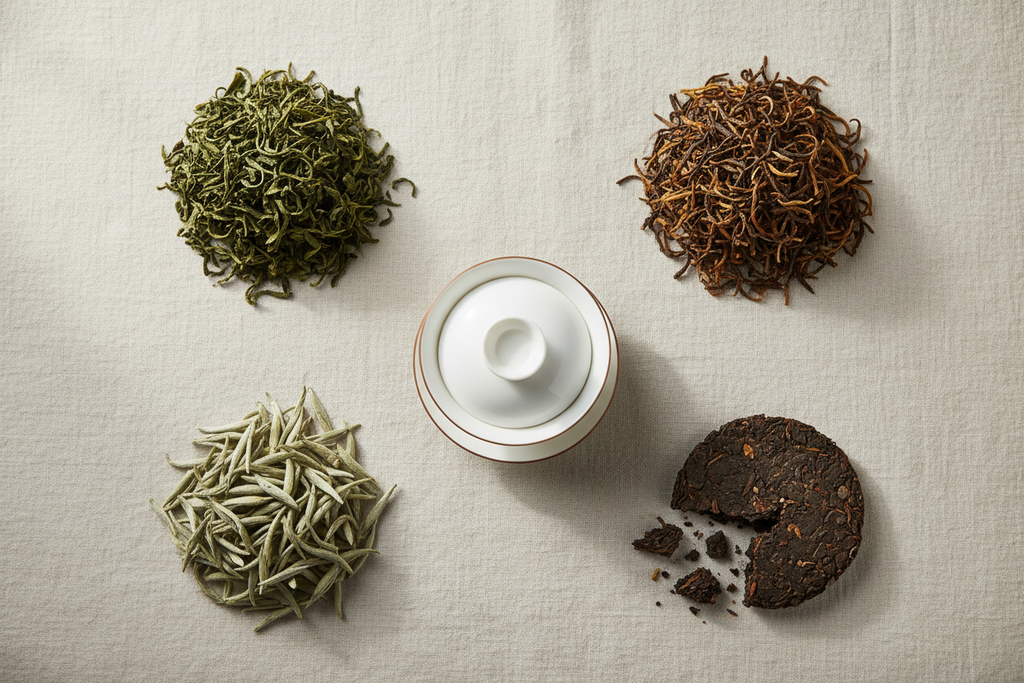
China is the birthplace of tea — with a history stretching back thousands of years — and remains the world's largest producer. What sets China apart is its extraordinary diversity of tea types: black, green, white, oolong, pu-erh, and yellow teas all originate here.
Key Growing Regions & Teas
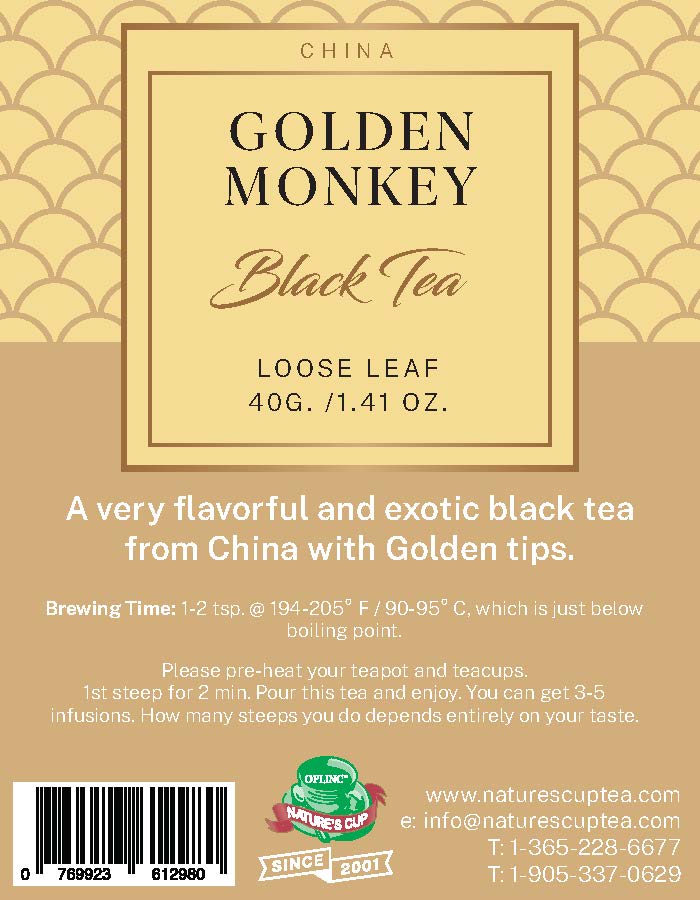
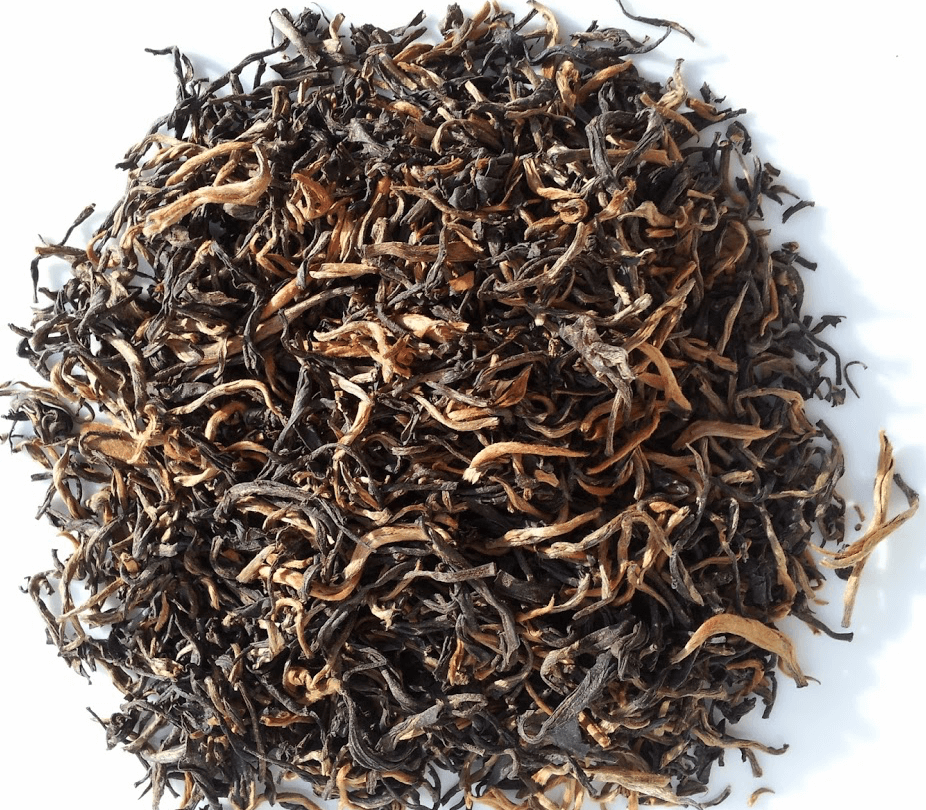
- Yunnan — Home of Yunnan black tea (Dian Hong), known for its golden tips, earthy sweetness, and smooth body; also the origin of pu-erh
- Fujian — Famous for white teas (Silver Needle, White Peony) and oolongs (Tie Guan Yin); also produces Lapsang Souchong, the smoky black tea
- Zhejiang & Jiangsu — Premier green tea regions; home of Longjing (Dragon Well) and Bi Luo Chun
- Guangdong & Fujian — Oolong heartland; produces complex, partially oxidized teas ranging from floral to roasted
Flavour Profile
Chinese teas are extraordinarily varied. Black teas tend to be smoother and earthier than their South Asian counterparts, with less astringency. Green teas are grassy, vegetal, or nutty depending on the region. White teas are delicate and subtly sweet. Oolongs span a wide spectrum from floral and light to dark and roasted.
Best For
Tea explorers and those who enjoy drinking tea without milk. Chinese teas reward slow, attentive brewing and are ideal for gongfu-style preparation (multiple short steeps).
Quick Comparison
- Sri Lanka (Ceylon): Bright, brisk, clean — classic black tea, great with milk or lemon
- India: Ranges from delicate & floral (Darjeeling) to bold & malty (Assam) — excellent everyday teas
- China: Vast diversity across all tea types — smoother, earthier blacks; grassy greens; delicate whites; complex oolongs
Explore Teas by Type
Curious to taste the difference? Browse our hand-picked, sustainably sourced collections:
- Loose-Leaf Black Teas — including Ceylon, Assam, and Darjeeling
- Green Teas — including Chinese and Japanese styles
- Oolong Teas — from light and floral to dark and roasted
- White Teas — delicate and naturally sweet
Not sure where to start? We're always happy to help you find the right tea for your palate and brewing style.
RECENT POSTS
25.August.2026
What Is Orange Pekoe Tea? (And How Is It Different from English Breakfast?)
0 Comments